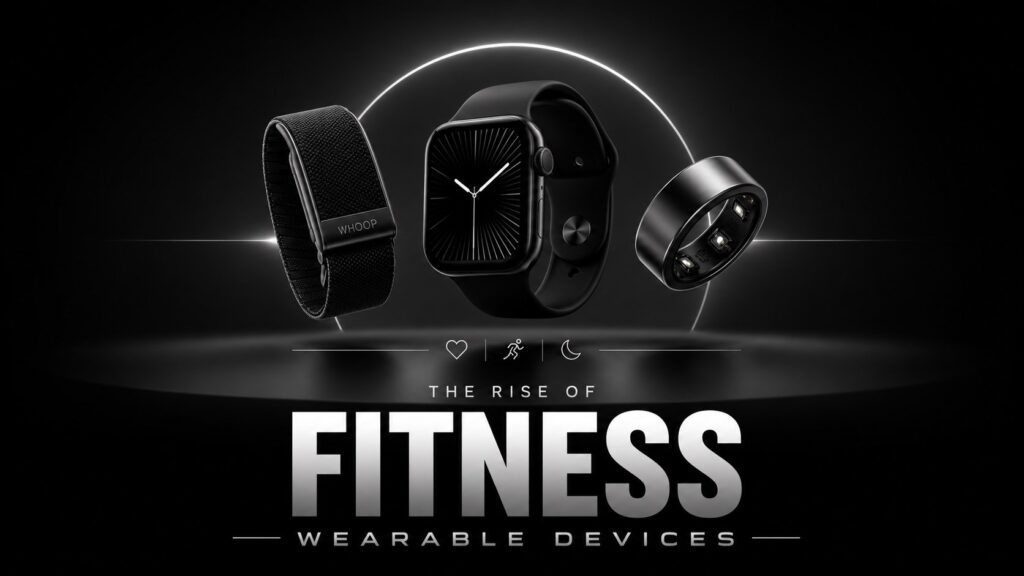
The landscape fitness wearable devices and personal wellness in the United States has shifted. We have moved past the era of aesthetic accessories that merely count steps or mirror smartphone notifications on our wrists. Today, high-performing individuals, athletes, and data-driven professionals are demanding something far more sophisticated: invisible technology that acts as a continuous physiological dashboard.
When investing in next-gen tech, the modern consumer faces a distinct choice. You can opt for a mainstream smartwatch engineered for lifestyle convenience, or you can choose a dedicated fitness wearable device built entirely around performance optimization, biometrics, and recovery intelligence.
True lifestyle optimization happens at the intersection of aesthetic minimalism and hard data. This deep dive explores how modern high-performance devices are balancing form and function to change how we train, recover, and live.
Table of Contents
The Core Problem with Mainstream Smartwatches
Mainstream smartwatches are brilliant communication hubs, but they possess a fundamental flaw for anyone serious about continuous health tracking: battery anxiety.
Popular smartwatches typically require daily charging, offering a restrictive 18 to 36 hours of battery life—especially when utilizing GPS functionality. If you are forced to remove your device and plug it into a wall every single night, you are disconnecting yourself from your own data stream exactly when some of your most critical physiological recovery occurs.
High-performance fitness wearable devices approach this problem differently. Engineered for multi-day endurance activities and uninterrupted biometric tracking, dedicated devices from industry leaders boast battery lifespans ranging from 7 to over 30 days on a single charge.
This extended battery life eliminates data gaps, ensuring that your sleep architecture, recovery cycles, and autonomic nervous system trends are captured cleanly and consistently, 24/7.
Moving Beyond Raw Heart Rate: The Power of HRV
For years, Resting Heart Rate (RHR) was the gold-standard metric for baseline fitness. While a lower RHR generally indicates a stronger, more efficient cardiovascular system, it is ultimately a blunt metric. High-performance fitness tracking relies on a far more sensitive variable: Heart Rate Variability (HRV).
What is HRV?
HRV measures the precise variation in time intervals (calculated in milliseconds) between consecutive heartbeats. This metric directly reflects the balance of your Autonomic Nervous System (ANS), which is divided into two competing branches:
- The Sympathetic Nervous System: Your “fight-or-flight” stress response.
- The Parasympathetic Nervous System: Your “rest-and-digest” recovery response.
Why HRV Replaces RHR for High Performers
Unlike RHR, which acts as a slow-moving baseline, HRV provides real-time, highly sensitive insights into how your body is adapting to its environment.
- A Precision Readiness Indicator: A high HRV signifies that your nervous system is resilient, deeply recovered, and ready to take on intense physical or cognitive loads. Conversely, a sudden drop in HRV flags overtraining, systemic fatigue, or oncoming illness—frequently days before your RHR rises noticeably.
- Hyper-Sensitive to Lifestyle Factors: Your daily HRV trends react dynamically to sleep quality, psychological stress, alcohol consumption, and residual training volume.
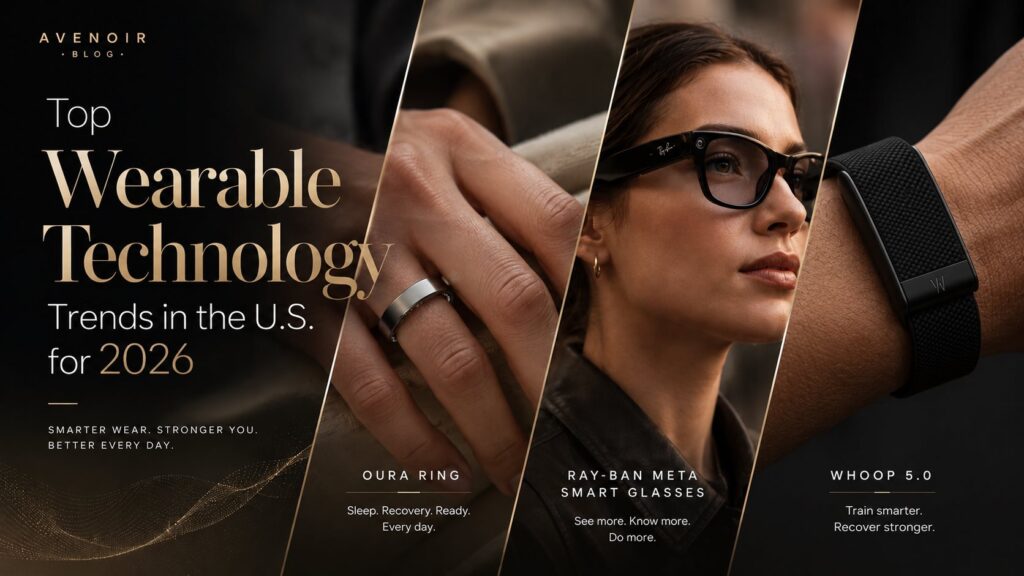
By monitoring these micro-trends over time, high-performers can actively adjust their daily training volume, optimize their productivity cycles, and prevent physical burnout before it manifests. For a broader look at how these tracking philosophies are shaping consumer habits, explore our comprehensive guide on Top Wearable Technology Trends in the U.S. for 2026.
Demystifying the Black Box: How Recovery Scores Work
When you open a premium fitness application, you are usually greeted by a proprietary “Recovery” or “Readiness” score scaled from 0 to 100. While companies guard their exact algorithmic weights as trade secrets, the core physiological inputs remain highly consistent across the major platforms.
| Metric Input | What It Measures | Why It Matters to the Algorithm |
|---|---|---|
| • Overnight HRV | Autonomic nervous system balance | The primary driver of the final score; measures systemic stress resilience. |
| • Resting Heart Rate (RHR) | Baseline cardiovascular strain | Evaluated against your rolling historical baseline to spot anomalies. |
| • Sleep Architecture | Time spent in Deep, REM, and Light cycles | Measures actual tissue repair and psychological restoration. |
| • Biometric Deviations | Skin temperature, respiratory rate, SpO2 | Minor deviations often flag immune responses or environmental stressors. |
Different ecosystems interpret these inputs through unique analytical lenses:
- Whoop Recovery: Places its heaviest statistical weight on overnight HRV (specifically during slow-wave sleep), alongside RHR, respiratory rate, and sleep performance. A “Green” score (67–100%) acts as a green light for high-output training.
- Oura Readiness: Synthesizes roughly 20 distinct signals—including sleep balance, body temperature deviations, and the relationship between your short-term and long-term activity loads.
- Garmin Body Battery: Updates dynamically in real time throughout the day, factoring in live stress tracking (derived from continuous micro-HRV readings) alongside activity depletion and sleep quality.
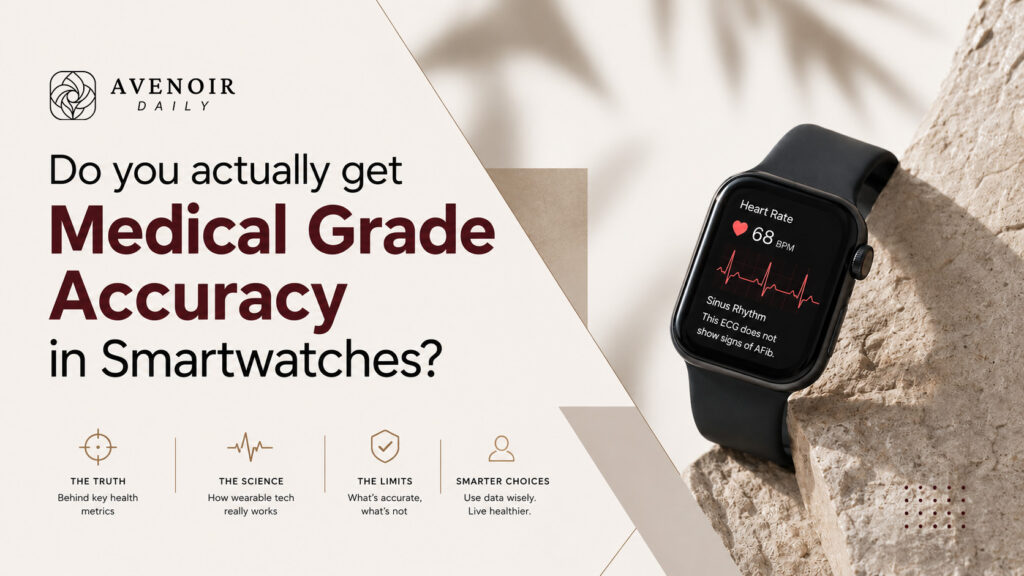
While these composite scores elegantly distill complex physiological data into simple directives, they are not infallible. For maximum utility, track long-term trends relative to your personal baseline rather than treating a single day’s score as an absolute truth. For a deeper look at the sensors making this tracking possible, read our analysis on Medical-Grade Accuracy in Smartwatches.
The Rise of Form Factors: When Tech Disappears
As the demand for subtle, non-intrusive tracking grows across the United States, hardware manufacturers are shrinking components to fit traditional form factors. Consumers are no longer restricted to a screen on their wrist.
Smart Rings: Minimalist Elegance
For individuals who experience screen fatigue or dislike wearing a bulky timepiece to bed, smart rings represent the pinnacle of “invisible” lifestyle design. Premium options, such as the Oura Ring 4, weigh less than 5 grams yet pack advanced photoplethysmography (PPG) sensors directly against the digital arteries of the finger.
Because the blood vessels in your fingers run closer to the surface than those in your wrist, smart rings often capture exceptionally clean, medical-grade PPG signals overnight. Independent validation studies demonstrate that premium smart rings align closely with polysomnography (the clinical gold standard for sleep tracking), frequently outperforming wrist-worn devices in tracking sleep stages, RHR, and resting HRV.
Non-Wearable Alternatives
If you prefer complete freedom from physical devices during the day or night, the health ecosystem has adapted with ambient, non-wearable technologies. Under-mattress sensors and smart sleep systems utilize ballistocardiography to monitor heart rate, respiratory patterns, and physical movement through your bedding. While slightly less precise at isolating specific waking HRV intervals than direct-skin contact, these systems offer a frictionless alternative for long-term health tracking without a device ever touching your body.4
Longevity and the True Value of VO2 Max
There is a common misconception in mainstream fitness culture that VO2 Max is a metric reserved exclusively for elite marathon runners or triathletes. In reality, it is one of the single most critical metrics for everyday health, functional independence, and overall longevity.
VO2 Max measures your body’s maximum capacity to transport and utilize oxygen during incremental, intense exercise. It is the gold standard for assessing cardiorespiratory fitness.
The Longevity Metric: Large-scale epidemiological studies show that cardiorespiratory fitness, measured via VO2 Max, is an incredibly robust predictor of all-cause mortality. Moving your baseline from the “low” category to the “below average” or “average” category for your age and demographic group can cut your mortality risk significantly over a decade. Every single incremental improvement in your aerobic capacity correlates directly with improved survival outcomes and better cardiovascular health.
Tracking your estimated VO2 Max via a high-performance fitness wearable device allows you to monitor how your body adapts to aerobic stress over months and years. It serves as a continuous report card for your metabolic and cellular health, directly influencing how energetic, functional, and resilient you remain as you age.
Subscription Fatigue vs. Continuous Science
The business model of consumer health tech has undergone a drastic transformation. Many premium wearable manufacturers have shifted toward recurring monthly subscription architectures.
While purchasing a device and then encountering a paywall to access your own biometric data can be deeply frustrating, this model supports an expensive reality: continuous science. Raw biometric numbers are inexpensive to collect, but processing that data through secure cloud servers, updating predictive AI algorithms, and funding ongoing clinical validation studies requires sustained capital.
When choosing an ecosystem, you must weigh your financial preferences against your data needs:
- The Subscription Model: Ecosystems like Whoop or Oura utilize monthly structures to fund highly personalized AI coaching dashboards and adaptive software updates.
- The Hardware-First Model: Traditional powerhouses like Garmin or Apple largely avoid mandatory subscription tiers, delivering deep, unrestricted metric suites bundled entirely into the upfront cost of the hardware.
Navigating the Privacy Landscape
Because high-performance wearables track sensitive physiological data points—including sleep architecture, stress anomalies, respiratory rates, and heart patterns—data privacy has become a vital consumer consideration. Unlike the data collected at your doctor’s office, consumer biometric data stored in commercial cloud architectures generally falls outside the strict jurisdiction of traditional medical privacy laws like HIPAA.
Top-tier hardware brands protect consumer trust through rigid security frameworks:
- On-Device Encryption: Leading ecosystems utilize advanced on-device and transit encryption protocols, ensuring that your raw biometrics are secure.
- Strict Monetization Policies: Reputable manufacturers explicitly state in their privacy policies that they do not sell individual user health profiles to insurance providers or third-party advertisers. Instead, data is either localized entirely or completely anonymized and aggregated into large data sets for academic or clinical research.
Before selecting a device, always review the brand’s data-sharing settings, activate multi-factor authentication on your accounts, and utilize options to regularly export your raw data logs for personal safekeeping.
Choosing Your Perfect High-Performance Tool
The ideal form factor for your fitness wearable devices depends entirely on when, where, and how you train.
1. The Smartwatch (The Training Dominator)
If your primary focus is real-time performance tracking during intensive workouts, high-intensity intervals, or outdoor endurance sports, a dedicated smartwatch remains the uncontested winner. They offer instant on-screen pace metrics, integrated GPS mapping, and maximum sensor stability during vigorous, high-velocity arm movements.
The Rugged Apex: Garmin Venu Series: For athletes who demand flawless real-time performance tracking without continuous battery anxiety. Unlike lifestyle smartwatches that require daily charging, Garmin delivers extensive multi-day tracking power alongside robust onboard GPS navigation, training readiness scores, and precise pacing analytics during high-intensity interval training (HIIT) or trail runs.
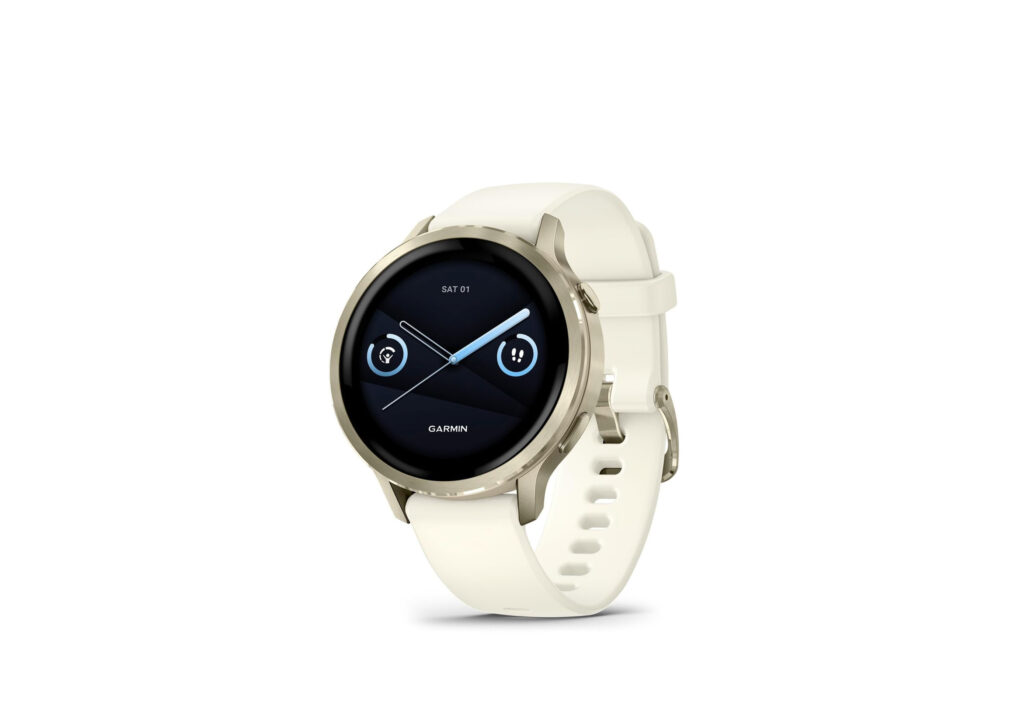
Garmin Venu 4, 41mm, Advanced Fitness Tracker GPS Smartwatch
The Multi-Sport Powerhouse: Apple Watch Ultra: The undisputed benchmark for multi-sport athletes utilizing iOS devices. Engineered with a rugged titanium case, extended battery life for grueling endurance sports, and precision dual-frequency GPS mapping, it delivers clinical sensor stability even during highly erratic, fast-velocity movements.
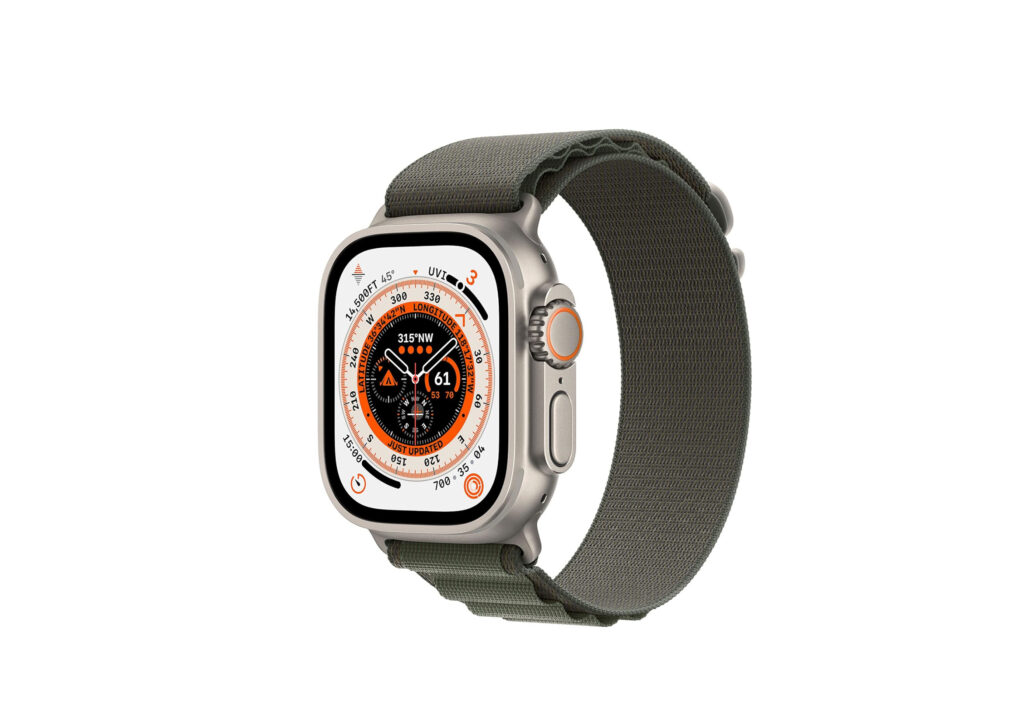
Apple Watch Ultra [GPS + Cellular 49mm] Smartwatch
2. The Smart Ring (The Recovery Master)
If your goals revolve around 24/7 lifestyle awareness, sleep optimization, stress tracking, and subtle elegance, a premium smart ring is the ultimate choice. It blends effortlessly into professional and formal environments while generating highly accurate overnight physiological baselines.
The Gold Standard for Recovery: Oura Ring 4: The ideal selection for high-performers who favor invisible styling over physical wrist screens. Weighing under 5 grams, the Oura Ring 4 positions medical-grade photoplethysmography (PPG) sensors directly against the digital arteries of the finger. It captures incredibly clear overnight baselines for sleep architecture, daily readiness, and Heart Rate Variability (HRV).
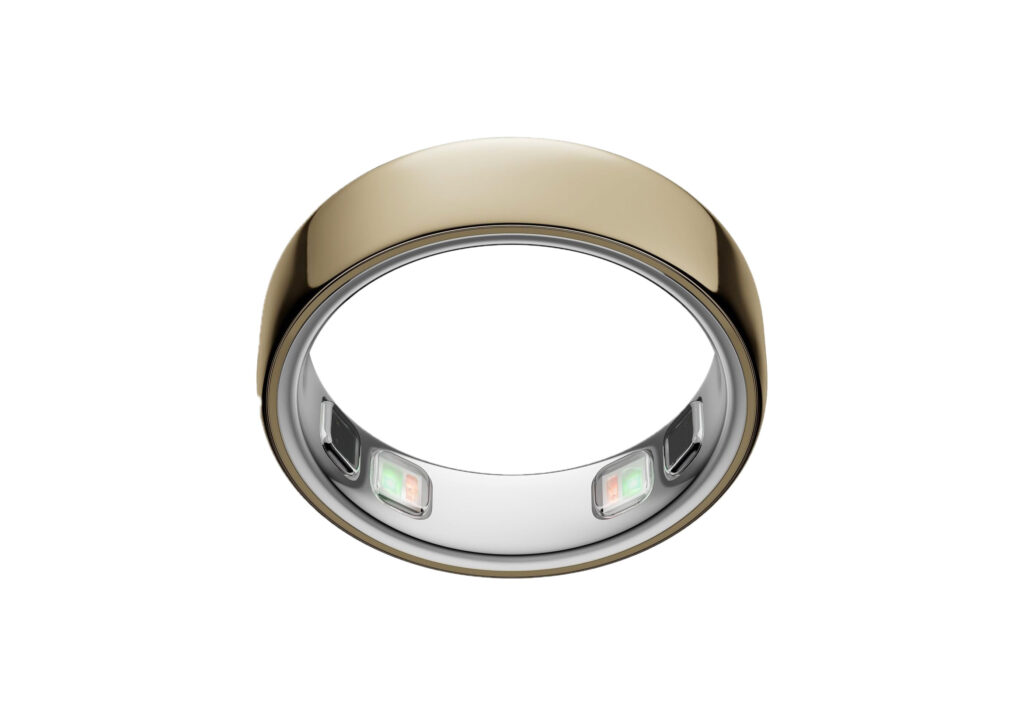
Oura Ring 5 – Gold – Size 9 – World’s Smallest Smart Ring
The Value-Driven Powerhouse: RingConn Gen 2 Air: The ultimate selection for high-performers who are highly fatigued by monthly recurring subscription fees. The RingConn Gen 2 Air brings an ultra-thin, lightweight design right down to 2.5–4 grams while managing a massive 10-day battery life on a single charge. It provides detailed, AI-powered insights directly to your iOS or Android app—tracking sleep architecture, Heart Rate Variability (HRV), continuous blood oxygen saturation (SpO2), and stress trends with absolutely zero app fees or hidden payw
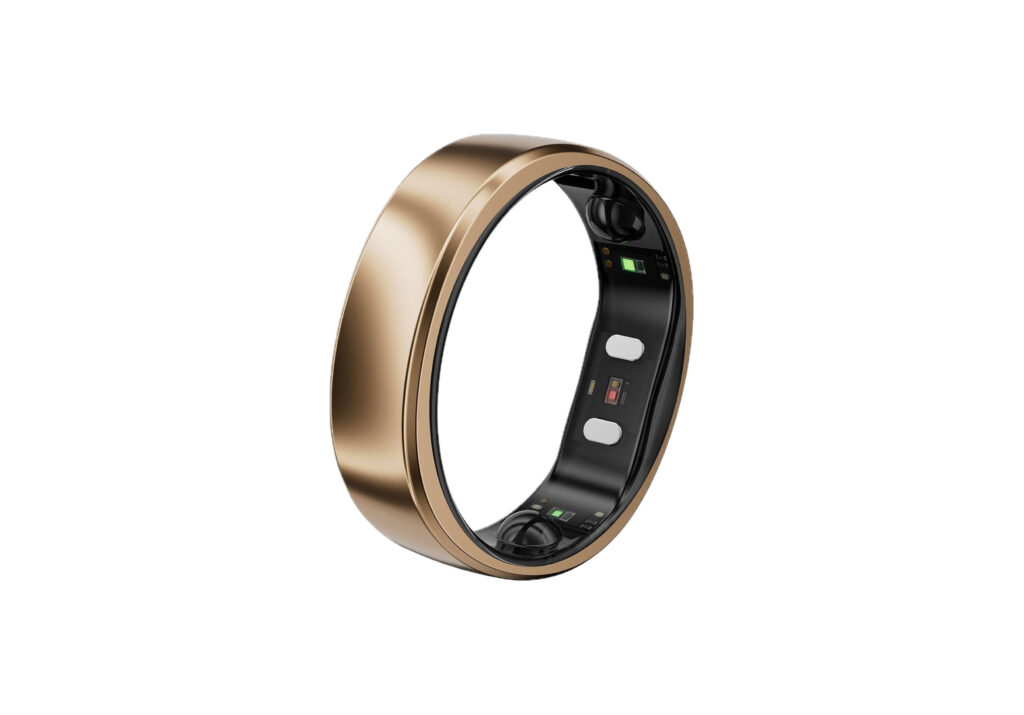
RingConn Gen 2 Air, Ultra-Thin AI Smart Ring, 10-Day Battery Life, Fitness/Sleep/Stress/HR Tracker for Women&Men
3. Screenless Recovery Bands (The Invisible Wrist Trackers)
The Continuous Bio-Analyst: Whoop 5.0: The absolute gold standard for data-driven athletes who want to eliminate screen distractions entirely. The Whoop 5.0 strips away the face of a traditional watch, focusing 100% of its power on a hyper-accurate, low-profile sensor array that monitors heart rate variability, skin temperature, and sleep architecture 24/7. Because it uses an innovative slide-on puck battery, you can charge the device while you wear it, ensuring you literally never have a data gap in your recovery metrics.
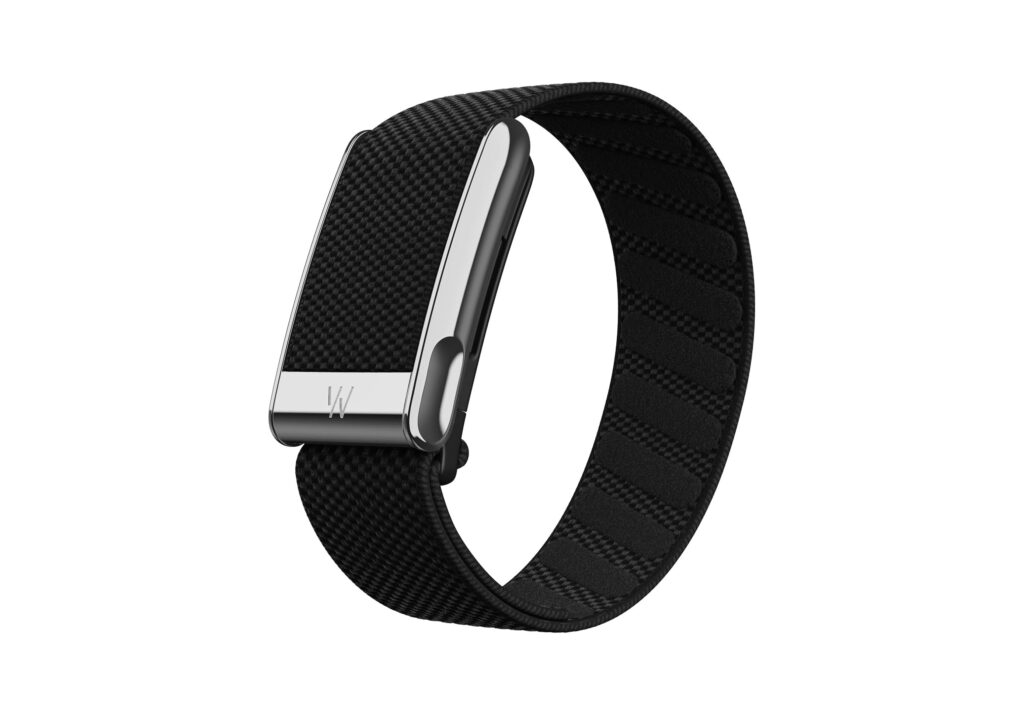
WHOOP 5.0/MG Activity Tracker – 12 Month Membership – Health and Fitness Wearable
The Frictionless Performance Band: COROS Heart Rate Monitor: The ideal middle ground for fitness enthusiasts who want chest-strap precision without the restrictive feeling of a chest strap. This low-profile armband positions an advanced optical sensor right against the vascular tissues of your upper arm, eliminating wrist-motion errors entirely. Built with an ultra-breathable fabric band and an effortless scratch-and-stick design, it automatically wakes up when worn and delivers over 38 hours of continuous, high-accuracy training data on a single charge.
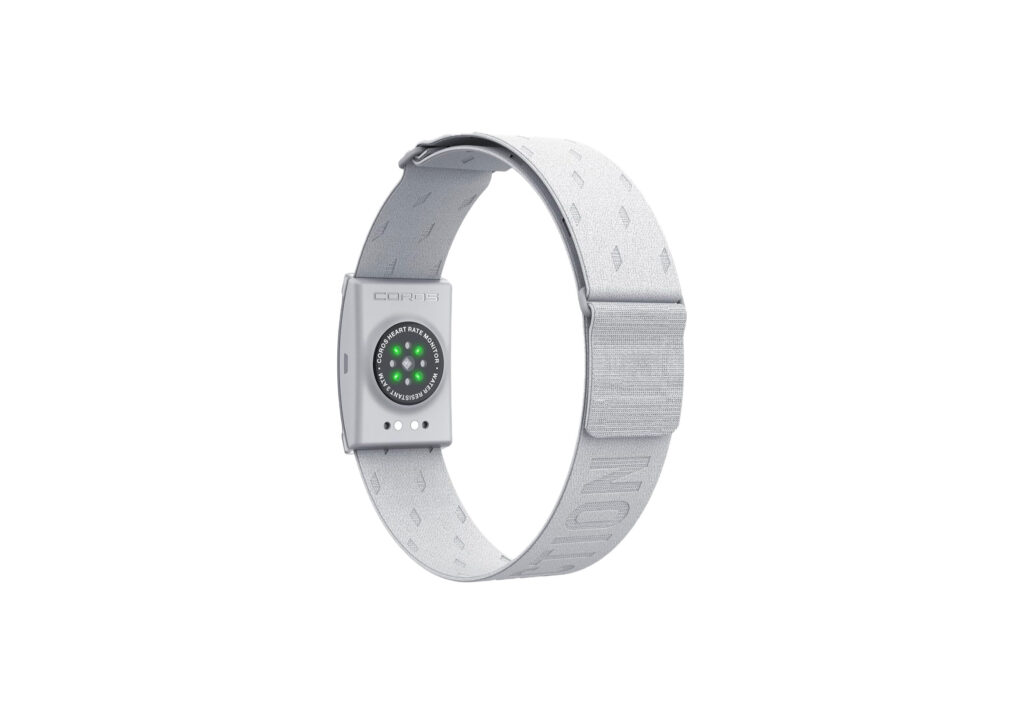
COROS Heart Rate Monitor Band
The Verdict: From Data to Actionable Wisdom
Ultimately, the true value of a modern fitness wearable devices lies in its ability to translate a massive wall of raw biological numbers into clear, actionable behavioral guidance.
The industry has evolved beyond static charts. The pairing of advanced sensory hardware with context-aware, personal AI models means that your wearable no longer just tells you that you are tired; it tells you exactly how to adjust your day to recover. It transforms data into wisdom, acting as a quiet, invisible partner in your long-term health, performance, and longevity.
Also read:
- The rise of High-Performance Fitness Wearable Devices | Form Meets Function
 The landscape fitness wearable devices and personal wellness in the United States has shifted. We… Read more: The rise of High-Performance Fitness Wearable Devices | Form Meets Function
 - Apple vs. Garmin Watch: The Quiet Luxury of True Utility
 In an era where tech is expected to feel less like a gadget and more… Read more: Apple vs. Garmin Watch: The Quiet Luxury of True Utility
 - The Screenless Face: 3 Definitive Reasons Why Ambient AI Glasses Will Outscale Smartwatches in 2026
 Let’s be honest: the tech industry has been trying to convince us that the smartwatch… Read more: The Screenless Face: 3 Definitive Reasons Why Ambient AI Glasses Will Outscale Smartwatches in 2026