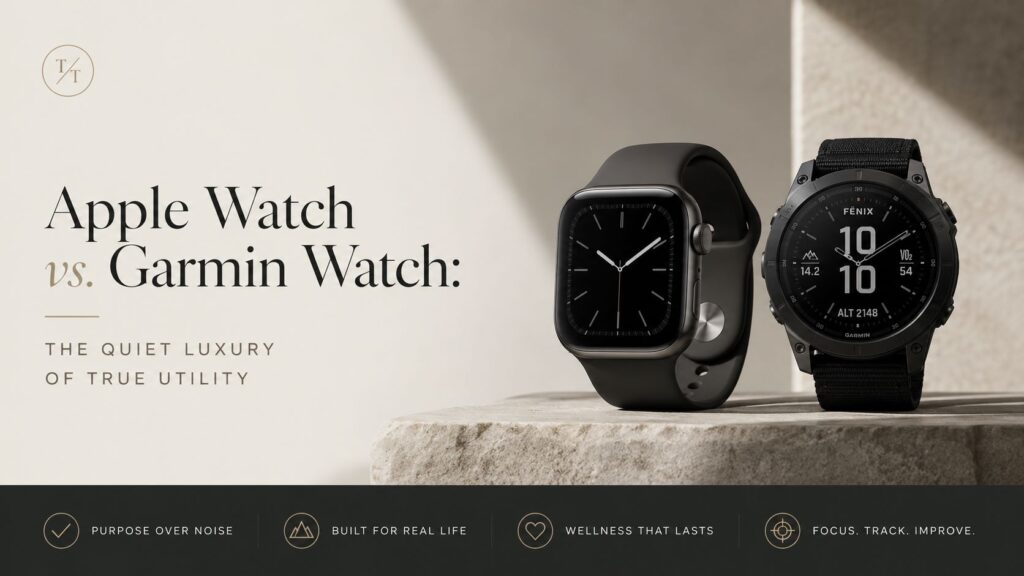
In an era where tech is expected to feel less like a gadget and more like a second skin, the smartwatch market has split down a fascinating fault line. On one side stands Apple, the absolute titan of slick ecosystem integration and seamless daily UI. On the other is Garmin, the undisputed gold standard for deep biological metrics, rugged utility, and unapologetic data sovereignty.
For the modern multi-hyphenate—someone moving fluidly between high-stakes creative direction and technical athletic performance—this isn’t just a choice between two brands. It’s a decision on how you intend to interface with your own biology. This shift mirrors a much larger cultural movement, as highlighted in our comprehensive breakdown of the Top Wearable Technology Trends in the U.S. for 2026 where devices are shifting from optional gadgets to core wellness essentials.
Let’s skip the marketing fluff and break down the cold, hard mechanics of Apple vs Garmin watch, focusing on what actually impacts your performance, your recovery, and your aesthetic baseline.
Table of Contents
Design Philosophy: High-End Minimalist vs. Rugged Utilitarian
An average well informed American won’t just buy a wearable for its sensors; they will buy it for its architectural intent. Your watch sits on your wrist through pitch meetings, intense training blocks, and quiet evenings. It is a highly visible statement of your personal brand.
| Design Dimension | Apple Watch Series 11 | Garmin Forerunner 970 |
|---|---|---|
| Design | Fluid, rounded rectangle, sci-fi beauty: A smooth, continuous form factor that feels futuristic. | Classic round, rugged, timeless beauty: A traditional watch silhouette built to endure harsh conditions. |
| Materials | Aerospace Titanium, Aluminum: Premium, lightweight metals engineered for a sleek, high-end finish. | Fiber-reinforced polymer, Titanium: High-strength, impact-resistant composites paired with rugged metal. |
| Interface | Digital Crown + Touchscreen: A blend of fluid digital scrolling and direct display interaction. | 5-Button Tactile Layout + Touch: Dedicated mechanical buttons for precise control in any weather, backed by touch. |
| Aesthetic Vibe | Ultra-modern, polished editorial: Looks right at home in a high-fashion lookbook or a minimalist studio. | Industrial, specialized, athletic: Looks like a high-performance instrument meant for the trails and tracks. |
Apple’s Fluid Architecture
Apple approaches the wrist from a perspective of pure industrial luxury. The Apple Watch Series 11 features an aerospace-grade titanium case paired with a flat sapphire crystal display. Its rounded rectangle silhouette is iconic, instantly recognizable, and deliberately eye-catching.
It is designed to look stunning beneath a tailored blazer or alongside clean, casual streetwear. The UI is fluid, buttery smooth, and highly graphic. However, that beautiful screen requires a massive amount of power, making the device feel highly active, constant, and sometimes a bit loud in its notifications.
Garmin’s Understated Resilience
Garmin takes a completely different path: the luxury of invisibility. Devices like the Forerunner 970 utilize a classic, circular watch geometry. Made with fiber-reinforced polymers and subtle titanium bezels, it doesn’t shout for attention.
Garmin relies on a highly practical classic tactile buttons layout alongside its touchscreen. If you are sweating through a heavy workout or wearing gloves, touchscreens fail. Physical buttons do not. It is an intentional design choice built around real-world friction, prioritizing pure utility over visual performance.
Health & Preventive Biometrics: The Data Deep-Dive
We are living through a massive paradigm shift in consumer wellness. Wearables are no longer simple step counters; they are evolving into preventive healthcare tools. How these two platforms synthesize your biological data reveals two completely opposing philosophies.
Garmin’s “No-Subscription” Diagnostic Suite
Garmin treats you like an elite athlete and a self-sovereign human. When you purchase a premium Garmin watch, you own your data. There are no hidden payroll walls or premium features locked behind a monthly app subscription.
Training Readiness Score: This is Garmin’s crown jewel. It synthesizes your sleep history, recent acute training load, HRV (Heart Rate Variability) status, and stress levels into a single, highly actionable score from 0 to 100. It tells you directly if your central nervous system is ready to smash a high-intensity session or if you need a recovery day.
Body Battery: Think of this as a real-time fuel gauge for your physical body. By analyzing heart rate variability, stress, and activity, it tracks your energy reserves throughout the day. It perfectly validates those afternoons when you feel inexplicably drained, helping you pace your mental and physical output.
Continuous HRV Status: Garmin tracks your HRV consistently through the night, comparing it against your personal baseline to flag early signs of overtraining, systemic stress, or oncoming illness.
Apple’s Polished, Subscription-Leaning Ecosystem
Apple’s health sensors are incredibly precise—often topping industry charts for raw heart rate tracking and ECG accuracy. The metrics are presented beautifully within the iOS Health app, but the daily synthesis is surprisingly fragmented.
The Vitals App: Apple’s latest update introduces a centralized view of overnight biometrics (HRV, respiratory rate, wrist temperature). It flags outliers effectively, but it lacks the predictive, forward-looking coaching of Garmin’s Training Readiness.
The Fitness+ Paywall: Apple heavily channels its users toward Apple Fitness+, a recurring subscription model. If you experience subscription fatigue, this can feel like a persistent irritation. Apple gathers the data perfectly, but forces you to do the heavy lifting of figuring out what to do with it, unless you pay for external apps or premium platforms.
Also read this For more detail on Medical-Grade Accuracy in Smartwatches,
The Recovery Narrative: True Rest vs. Daily Streak
The American work ethic is undergoing a hard course correction. We are realizing that performance is only as good as the recovery backing it up.
| Feature Category | Apple Watch Series 11 | Garmin Forerunner 970 |
|---|---|---|
| Primary Philosophy | Rings: Focuses on achieving daily goals and keeping active momentum. | Recovery: Focuses on biological balance and understanding when to rest. |
| Habit Tracking | Routine: Emphasizes building consistent, long-term daily habits. | Adaptation: Features dynamic goal tuning that shifts based on your performance. |
| Health & Insights | Sleep: Leverages deep health app insights to track overnight wellness. | Coaching: Utilizes Heart Rate Variability (HRV) status and personalized sleep scores to guide training. |
Apple’s “Close Your Rings” Psychology
Apple’s UI centers entirely around behavioral psychology: the three rings (Move, Exercise, Stand). It is an incredibly effective gamification tool for everyday movement. However, it can be highly rigid.
The system wants you to hit your streaks every single day. If your body is completely exhausted or you are fighting off a virus, the rings still demand to be closed. While Apple has recently allowed users to pause their rings without breaking streaks, the core psychology remains deeply anchored in continuous, linear output.
Garmin’s Balanced Recovery Loop
Garmin measures your health in circles of compensation. If you log a poor night of sleep, your Sleep Need metric dynamically increases, and your recommended workout for the day automatically scales down to an active recovery walk.
It values rest exactly as much as it values a hard sprint. For anyone managing a high-stress professional career alongside physical conditioning, Garmin acts as an objective, digital anchor that prevents burnout.
Scenario-Based Performance: Real-World Technicalities
To understand where these watches truly shine, we have to look at how they perform in distinct, real-world American lifestyles.
Scenario A: The Urban Professional & Daily Commuter
You are navigating a busy city, handling back-to-back design critiques, taking calls on the move, and heading to an evening studio session.
The Winner: Apple Watch.
Why: Its cellular integration is flawless. You can leave your phone at home and stream music seamlessly to your AirPods, dictate quick replies via text, pay for your espresso via Apple Pay, and follow haptic turn-by-turn map directions on your wrist. It is a brilliant, miniature communications hub.
Scenario B: The Dedicated Training Block & Outdoor Escape
You are waking up at 5:30 AM for a 10-mile trail run, tracking your pacing metrics, and heading out for a weekend camping trip without access to a wall charger.
The Winner: Garmin.
Why: Garmin’s Multi-Band GPS is legendary for its pinpoint accuracy under dense tree canopies or between towering city skyscrapers. More importantly, its navigation screen provides full-color topographic mapping natively on the device, ensuring you never get lost.
The Invisible Elephant: Battery Life and Practicality
Let’s talk about the single biggest paint point in wearable technology: charging anxiety. This is where the choice between Apple and Garmin becomes entirely practical.
- Apple Watch (1 to 2 Days): Even with the ruggedized Apple Watch Ultra 2, you are looking at a maximum of 36 to 60 hours of battery life. In practical terms, this means your watch joins the daily charging ritual alongside your phone and laptop. If you want to track your sleep consistently, you have to find a weird window during your workday to let it sit on a charging puck. The tech is highly visible and requires active maintenance.
- Garmin Watch (1 to 4 Weeks): Due to its hyper-efficient OS and display technology, a premium Garmin like the Forerunner 970 easily clocks anywhere from 14 to 20+ days on a single charge. It turns the device into an “invisible” utility. You put it on, forget about the charger for half a month, and let it quietly gather seamless, uninterrupted biometric data. It eliminates charging friction completely.
Ethicality and Practicality: The Final Verdict
When choosing between Apple and Garmin for your ultimate daily driver, the decision boils down to your stance on practical lifestyle utility versus deep data ethicality.
| Feature Dimension | Apple Watch Series 11 | Garmin Forerunner 970 |
|---|---|---|
| Ecosystem & Access | Flawless iOS Ecosystem: Built to integrate deeply and effortlessly with Apple devices. | No Subscriptions Required: Full access to data and tracking without recurring paywalls. |
| Design & Aesthetics | High-End Minimalist Style: Premium, sleek, and visually understated for any setting. | 2+ Weeks Battery Life: Long-lasting power built for extended endurance and outdoor trips. |
| Primary Use Case | Seamless Urban Utility: Optimized for daily life, city environments, and fluid multitasking. | Actionable Recovery Metric: Data-driven physiological tracking to optimize training and rest. |
Choose the Apple Watch if…
You want a stunning piece of premium minimalist tech that maximizes your daily productivity. If you are deeply integrated into the iOS ecosystem, appreciate fluid UI animations, and don’t mind charging your device every other day in exchange for flawless cellular convenience, the Apple Watch is an elite, stylish companion.
Check out the latest Apple Watch Options on Amazon.
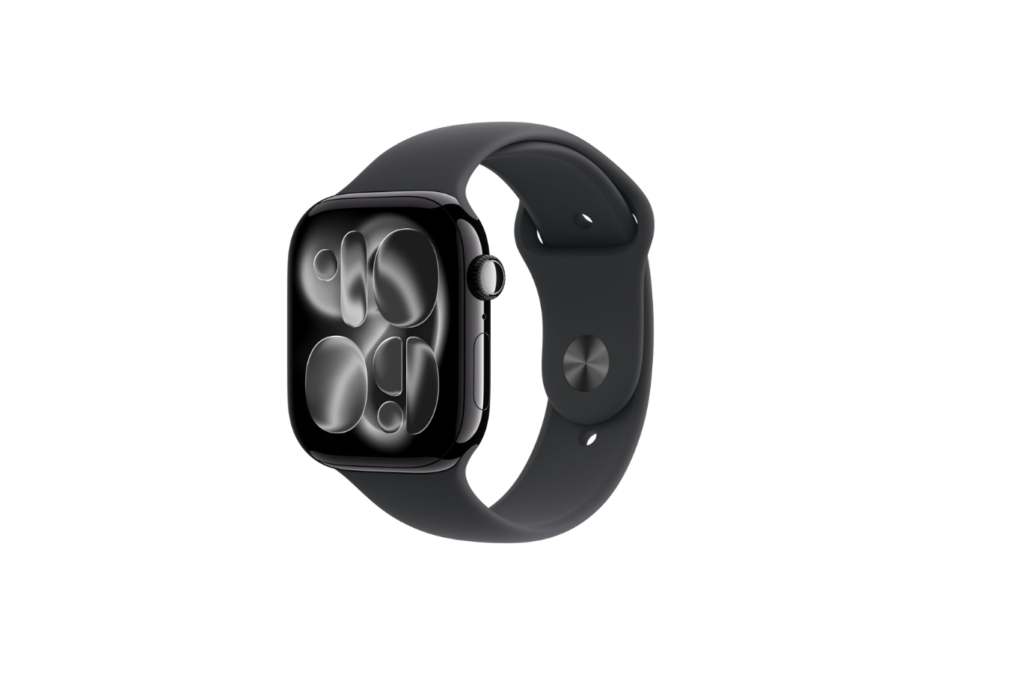
Apple Watch Series 11 [GPS 46mm] Smartwatch
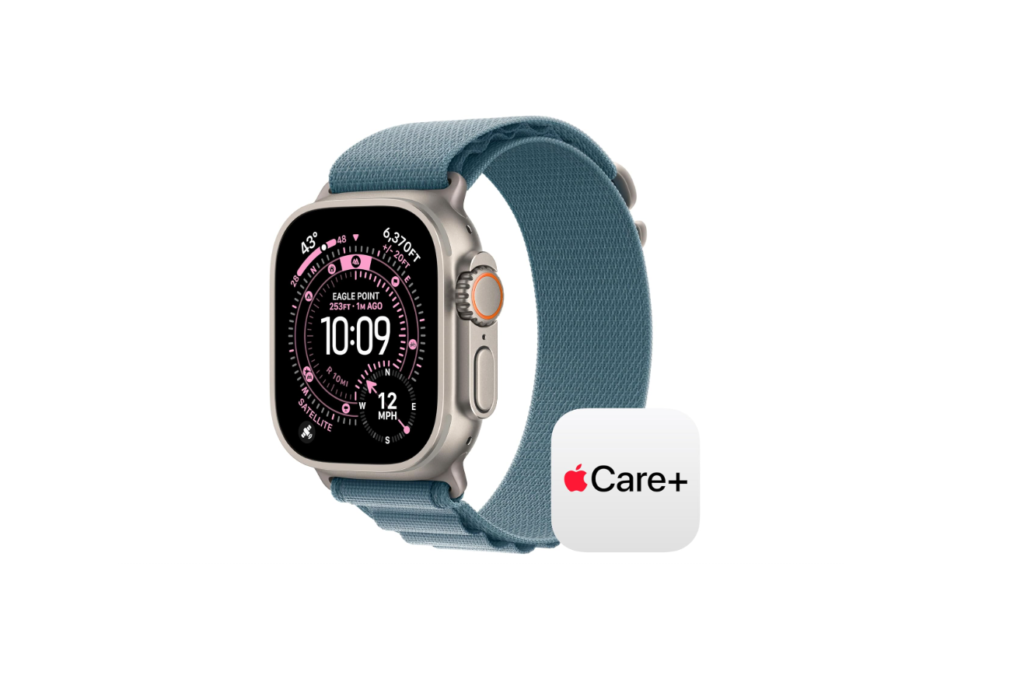
Apple Watch Ultra 3 [GPS + Cellular 49mm] Running & Multisport Smartwatch with AppleCare+ (2 years)
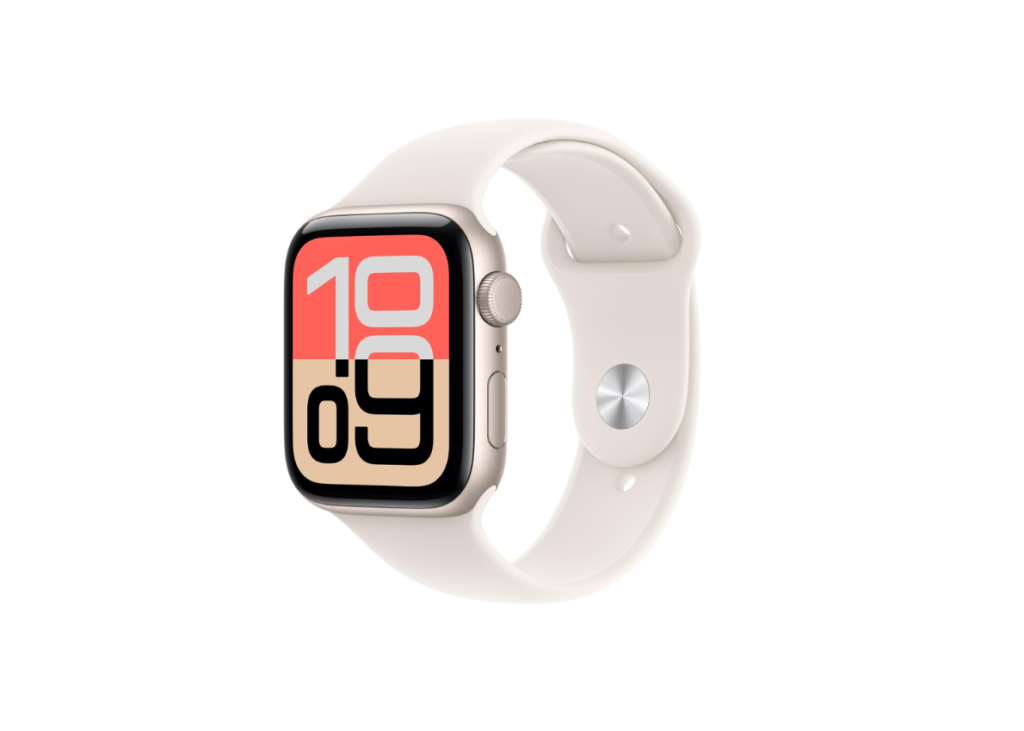
Apple Watch SE 3 [GPS 44mm] Smartwatch with Starlight Aluminum Case with Starlight Sport Band
Choose the Garmin Watch if..
You want a dedicated, no-nonsense health instrument. If you are suffering from subscription fatigue, value absolute ownership of your biological data, and want an invisible powerhouse that tracks your stress, sleep, and performance for weeks without a single charge, Garmin wins on pure practicality.
Explore Premium Garmin Performance Watches on Amazon
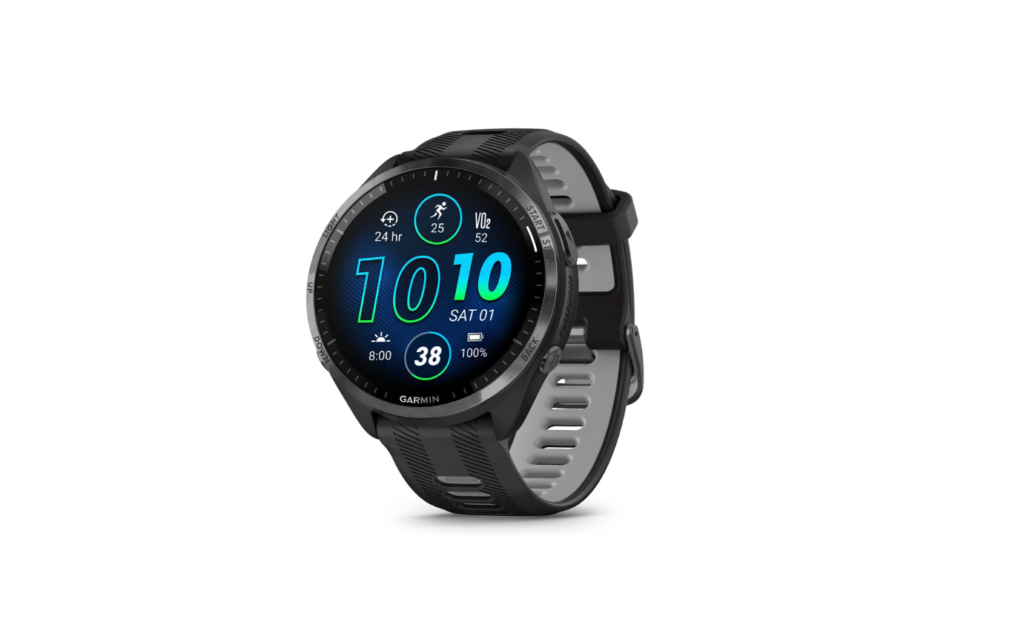
Garmin Forerunner® 965 Running Smartwatch
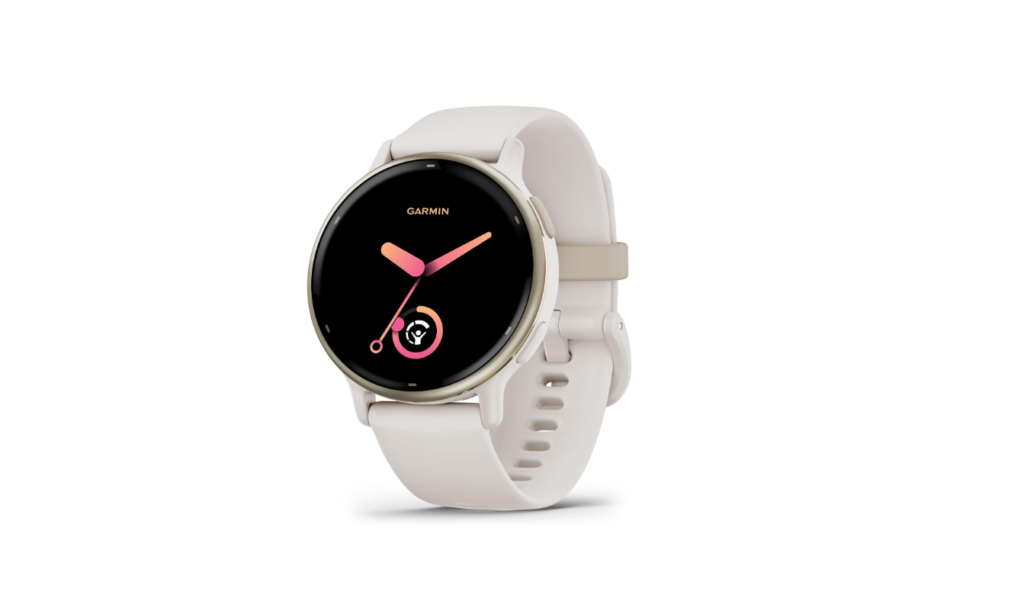
Garmin vívoactive 5, Health and Fitness GPS Smartwatch
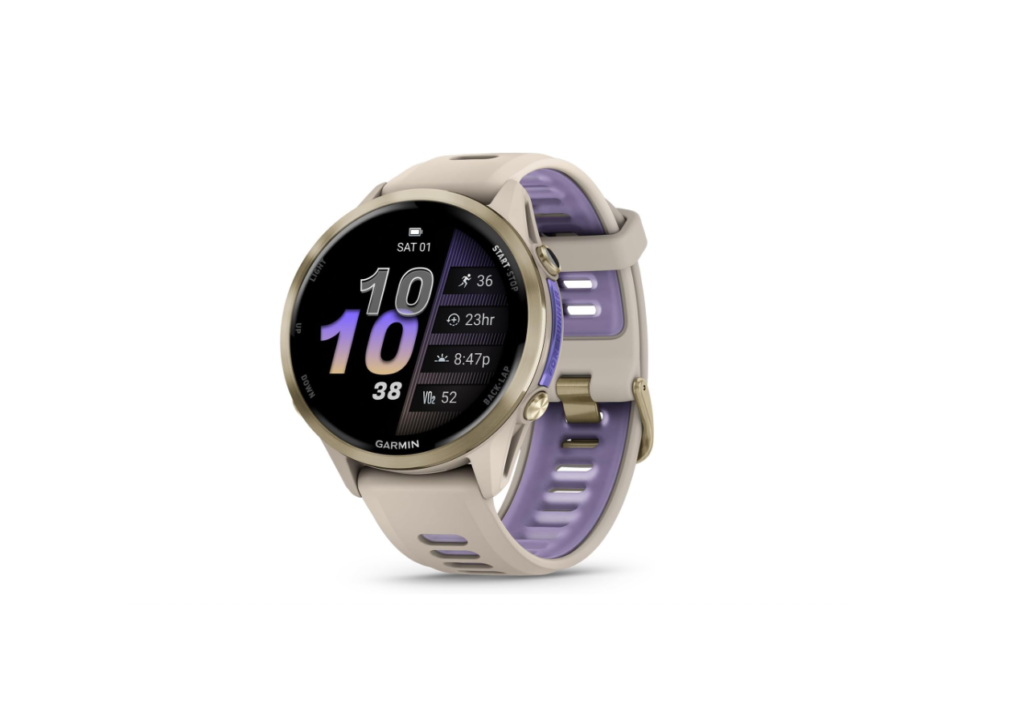
Garmin® Forerunner® 970, Premium GPS Running and Triathlon Smartwatch
Over to You
How do you prefer to interact with your daily wearable? Are you looking for a seamless, beautiful extension of your smartphone notifications, or do you want an uninterrupted, subscription-free dashboard of your body’s true recovery levels?
Let me know your thoughts, and tell me on a scale of 1 to 10 how well this breakdown matches what you were looking for!
- Top Wearable Technology Trends in the U.S. for 2026
 Wearable technology trends in the U.S. is no longer limited to counting steps or checking notifications during workouts. In 2026, wearable devices are becoming deeply… Read more: Top Wearable Technology Trends in the U.S. for 2026
 - Titan Quartet Watch Review: Minimal Design with Structured Dial & Quartz Precision
 In this Titan Quartet Watch Review, we look at a timepiece that balances the fine line between simplicity and intent. There are watches that simplify… Read more: Titan Quartet Watch Review: Minimal Design with Structured Dial & Quartz Precision