
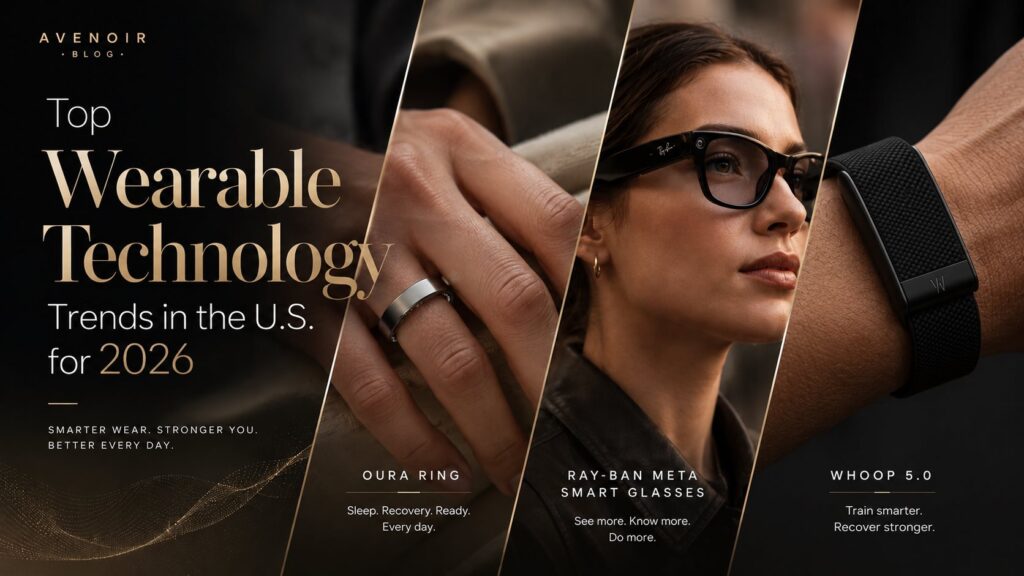
Wearable technology trends in the U.S. is no longer limited to counting steps or checking notifications during workouts. In 2026, wearable devices are becoming deeply integrated into how Americans manage wellness, productivity, sleep, fitness, healthcare, and even personal identity. What once felt experimental now feels increasingly essential.
The shift is happening fast. Consumers across the U.S. are investing in wearable tech not just for convenience, but for lifestyle optimization. From luxury-focused smart rings and AI-powered smart glasses to biometric clothing and preventive healthcare wearables, the industry is entering a far more mature phase.
More importantly, wearable technology is beginning to disappear into everyday life. The most successful devices are no longer the loudest or most futuristic-looking. Instead, they are the products that feel invisible while quietly improving how people function every day.
Here are the wearable technology trends shaping the American market in 2026.
Table of Contents
Wearable Technology Is Becoming a Wellness Essential
The biggest shift in the U.S. wearable market is psychological. Americans are no longer buying wearable devices purely for fitness motivation. They are buying them for control, awareness, prevention, and optimization.
Consumers now expect wearables to:
- track sleep quality
- monitor stress levels
- detect recovery patterns
- improve productivity
- support long-term health awareness
This is especially visible among millennials and wellness-focused consumers who see health data as part of daily decision-making.
The popularity of wearable health technology reflects a broader cultural movement in the U.S. People want personalized wellness insights without constantly visiting clinics or relying solely on traditional healthcare systems.
That demand is driving interest toward devices that can monitor heart rate variability, sleep cycles, oxygen saturation, recovery readiness, and even early signs of fatigue. This is why products like the best smart rings for sleep tracking and advanced smartwatches are seeing massive consumer attention across the American market.
Smartwatches Are Evolving Beyond Fitness Tracking
For years, smartwatches were marketed primarily around fitness metrics. In 2026, they are becoming central lifestyle devices. Modern consumers expect smartwatches to function as:
- health monitors
- productivity companions
- communication hubs
- travel tools
- wellness assistants
Premium wearable brands are now focusing heavily on preventive health features, recovery intelligence, and AI-enhanced recommendations rather than simply counting calories or steps. The competition between Apple, Garmin, Samsung, and other leading brands is also shaping consumer expectations in the U.S. market.
While Apple dominates mainstream lifestyle integration, Garmin has built strong authority among endurance athletes and performance-focused consumers. Meanwhile, recovery-focused wearables continue gaining popularity among users who prioritize wellness over constant notifications.
This growing divide is creating stronger interest around comparisons like:
- Apple Watch vs Garmin
- best smartwatches for health tracking
- fitness-focused wearable devices
- luxury smartwatches for everyday use
In the American market, smartwatches are no longer viewed as tech accessories alone. They are becoming personal health dashboards.
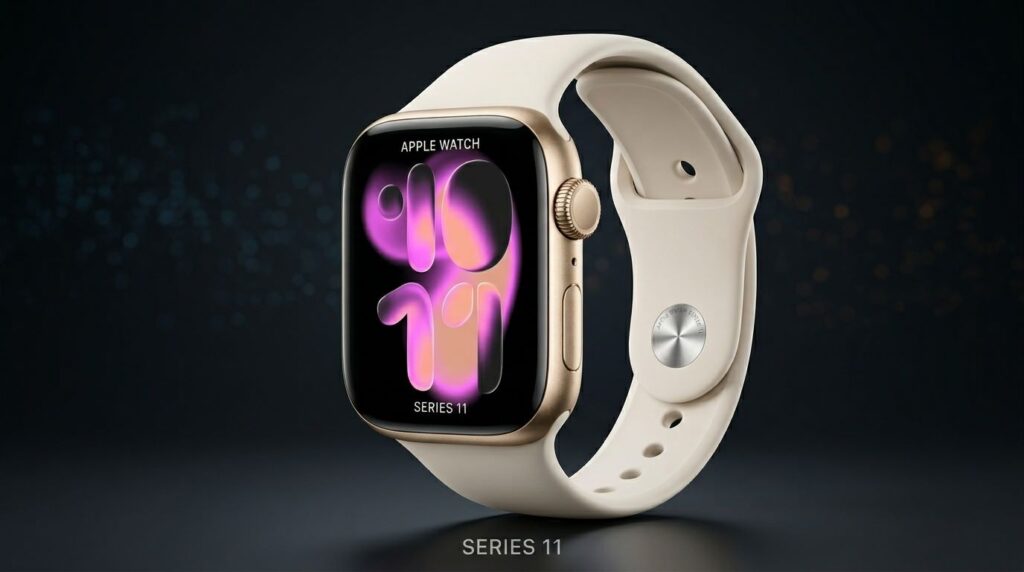
Apple Watch Series 11 Smartwatch
Thin and lightweight, Series 11 is comfortable to wear around the clock — while exercising and even when you’re sleeping, so it can help track your key metrics.
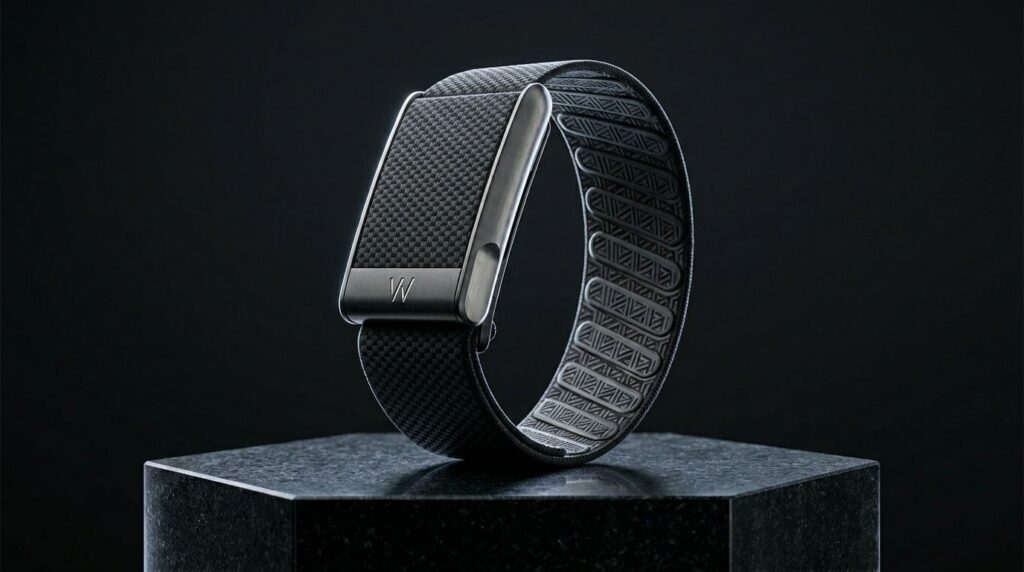
WHOOP 5.0/MG Activity Tracker Fitness Wearable
WHOOP continuously monitors your physiological data, including sleep, stress, VO2 max, blood pressure, and heart health metrics—providing 24/7 insights to optimize fitness, recovery, and overall health.
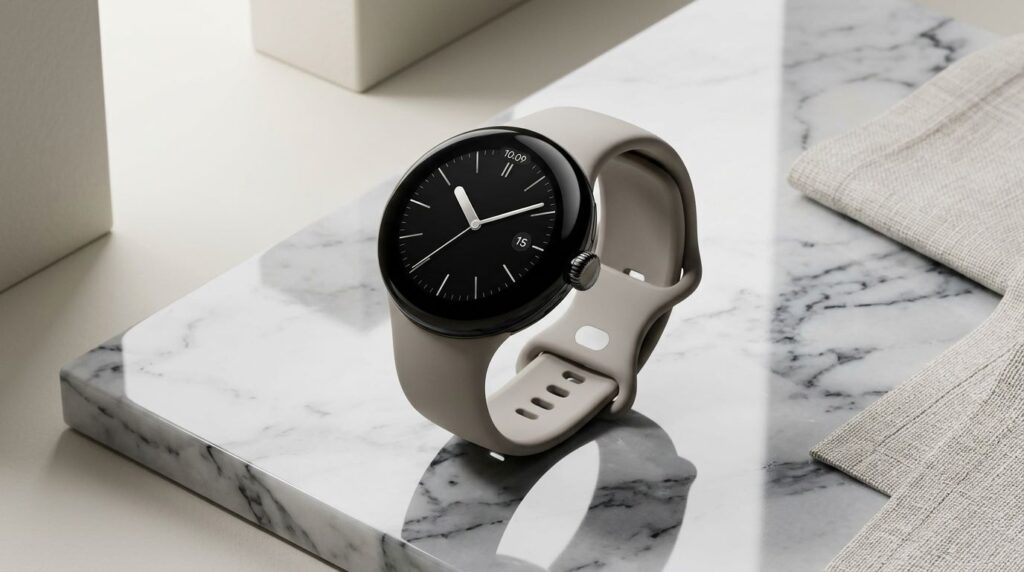
Google Pixel Watch 4
The Google Pixel Watch 4 is a stunning display of precision craftsmanship, with Gemini, your built-in AI assistant, Google’s longest-lasting battery, and comprehensive tools for next-level health and fitness performance
Smart Rings Are Quietly Becoming the Luxury Wearable of Choice
One of the most important wearable technology trends in the U.S. right now is the rise of smart rings. Unlike smartwatches, smart rings offer a far more discreet and fashion-forward experience. They appeal strongly to luxury buyers, minimalists, wellness consumers, and professionals who want advanced tracking without constantly wearing a visible screen.
This category has exploded because Americans increasingly want wearable devices that blend naturally into their lifestyle. The modern smart ring combines:
- sleep intelligence
- stress monitoring
- recovery insights
- readiness scoring
- long battery life
- premium design aesthetics
The category also aligns perfectly with current American wellness culture, where consumers prioritize subtle luxury and functional minimalism. Many buyers now see smart rings as less distracting and more sophisticated than traditional smartwatches.
This growing momentum is fueling interest around:
- best smart rings in 2026
- smart rings vs smartwatches
- luxury wearable technology
- wearable wellness devices
As wearable technology becomes more fashion-oriented, smart rings are positioned to become one of the defining categories of the next few years.
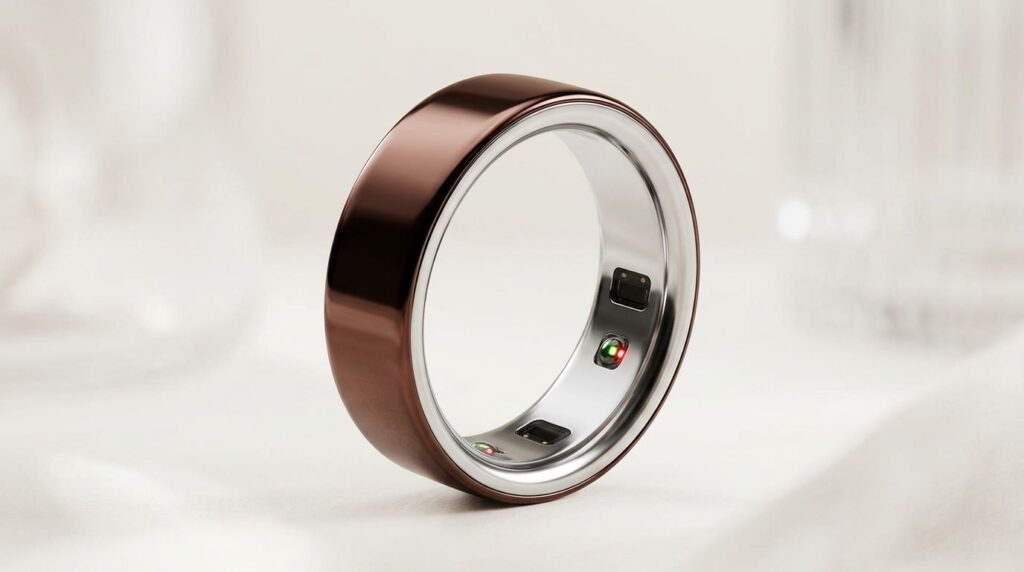
Oura Ring 4 – Rose Gold – Sleep, Activity, Women’s Health, AI Advisor
ACCURACY – SMART SENSING – Oura tracks over 50 health metrics, including sleep, activity, stress, heart health, and women’s health metrics. Oura Ring 4 is powered by Smart Sensing, which adapts to you — delivering accurate, continuous data, day and night
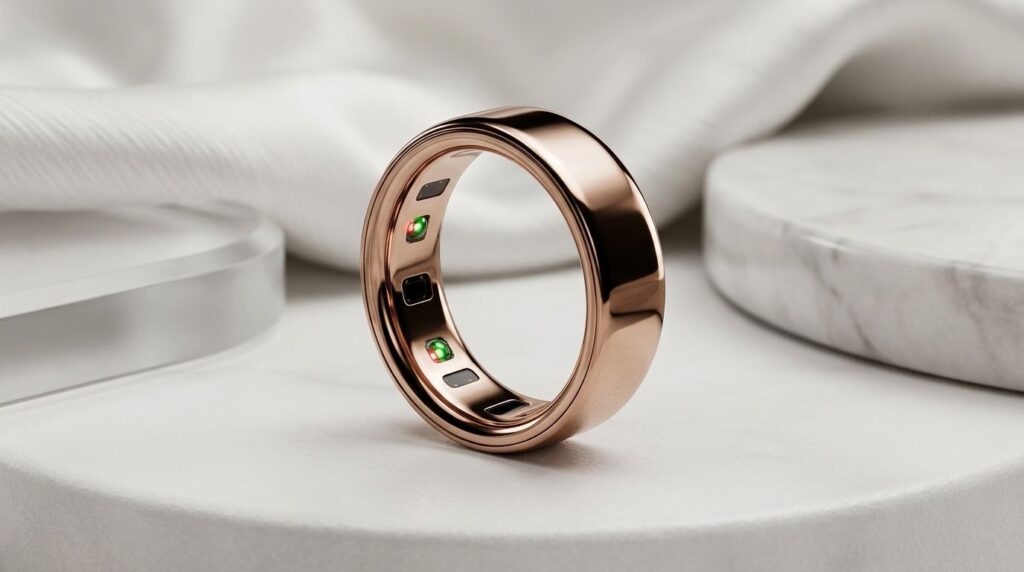
RingConn Gen 2, Smart Ring with Sleep Apnea Monitoring
RingConn Gen 2 Smart Ring supports sleep health with advanced technology. Developed with leading universities and hospitals, this AI-powered ring accurately tracks sleep apnea.
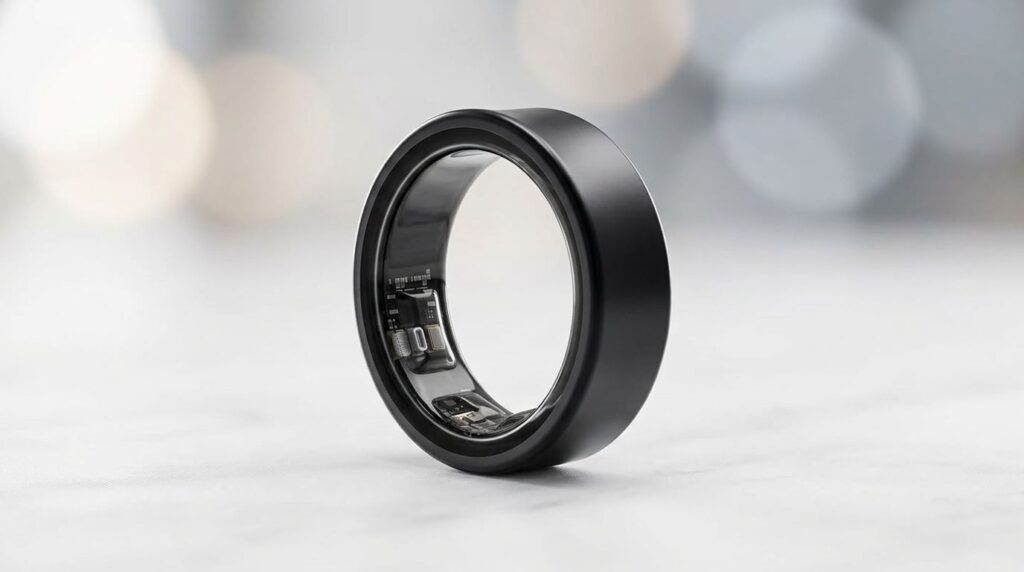
SAMSUNG Galaxy Ring, AI Smart Ring, Size First w/Sizing Kit
Your favorite sleep tracker is now wrapped around your finger — literally; Galaxy Ring is so comfortable, you won’t even notice it’s there while it collects insights on the quality of your sleep
AI Smart Glasses Are Bringing Ambient Computing Into Daily Life
AI-powered smart glasses are quickly moving from futuristic concepts into practical everyday wearable technology. In the U.S., consumers are becoming more interested in wearable devices that feel less distracting and more naturally integrated into daily life. Instead of constantly checking phones or smartwatches, AI glasses are introducing a more seamless form of ambient computing.
Modern smart glasses now offer:
- real-time translation
- navigation assistance
- AI-powered prompts
- live transcription
- productivity support
- hands-free communication
What makes this category different in 2026 is the shift toward minimalism and everyday usability. Newer AI wearables are focusing less on bulky AR experiences and more on lightweight, fashion-conscious design that blends into normal lifestyles. Devices like the Even Realities G2 smart glasses are designed to look and feel like premium eyewear while quietly delivering AI assistance in the background. This reflects a larger trend in American consumer behavior: people want wearable technology that supports productivity and wellness without overwhelming them with screens or notifications.
Interest is rapidly growing around:
- best AI smart glasses
- AI wearable devices
- smart glasses for productivity
- future wearable technology
As wearable technology trends continue evolving in the U.S., AI smart glasses are becoming one of the clearest examples of how technology is shifting toward invisible, lifestyle-first experiences.
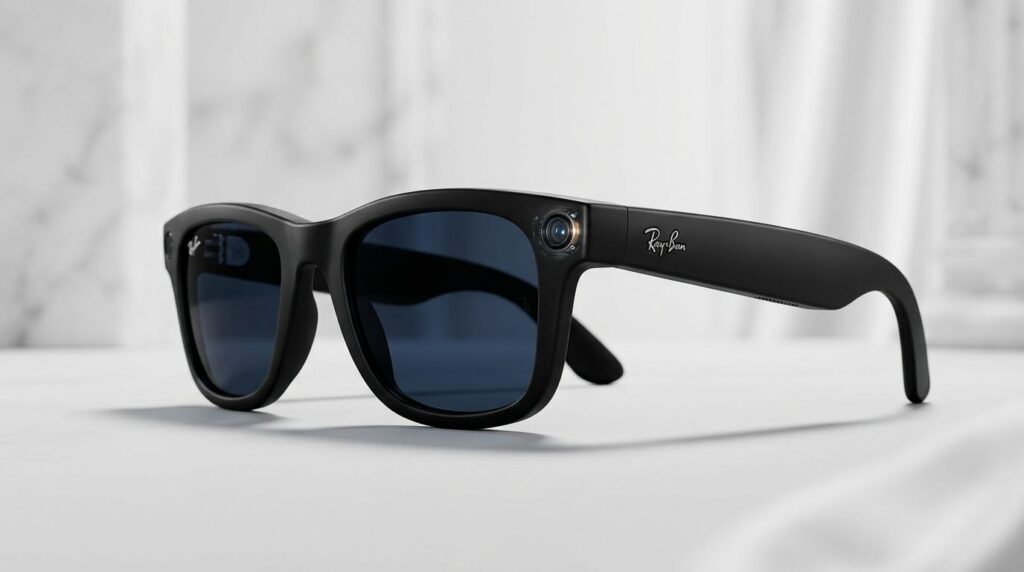
Ray-Ban Meta (Gen 2) Smart AI Glasses for Men & Women
Tap into iconic style and advanced technology with Ray-Ban Meta, the #1 selling AI glasses. Capture photos and videos, listen to music, make hands-free calls or ask Meta AI questions on the go. Based on IDC historical sales data up to Q3’25, released December 2025.
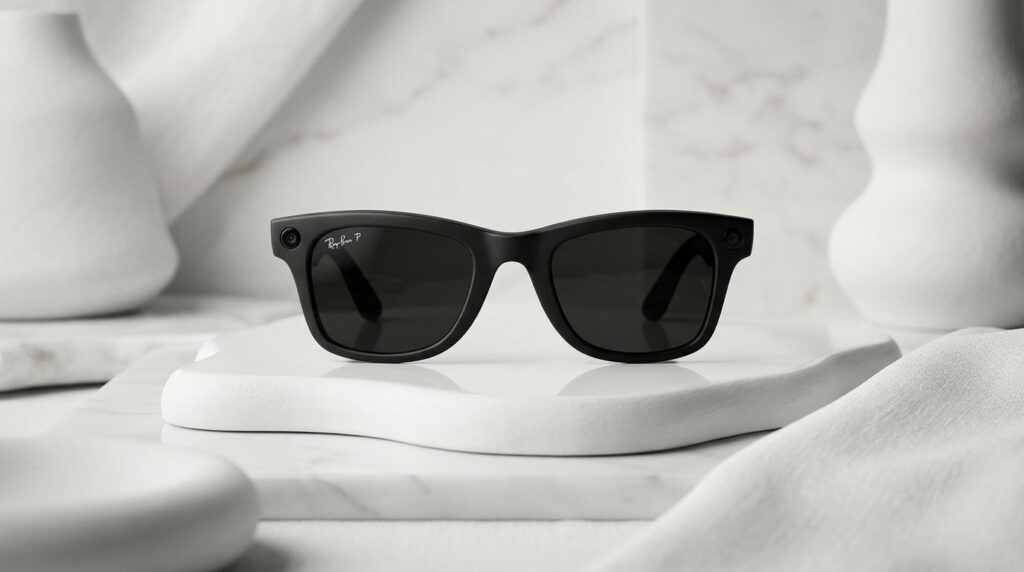
Ray-Ban Meta (Gen 1), Wayfarer, Matte Black | Smart AI Glasses
Move effortlessly through life with Ray-Ban Meta glasses. Capture photos and videos, listen to music, make hands-free calls or ask Meta AI questions on-the-go.
Ray-Ban Meta glasses deliver a slim, comfortable fit for both men and women.
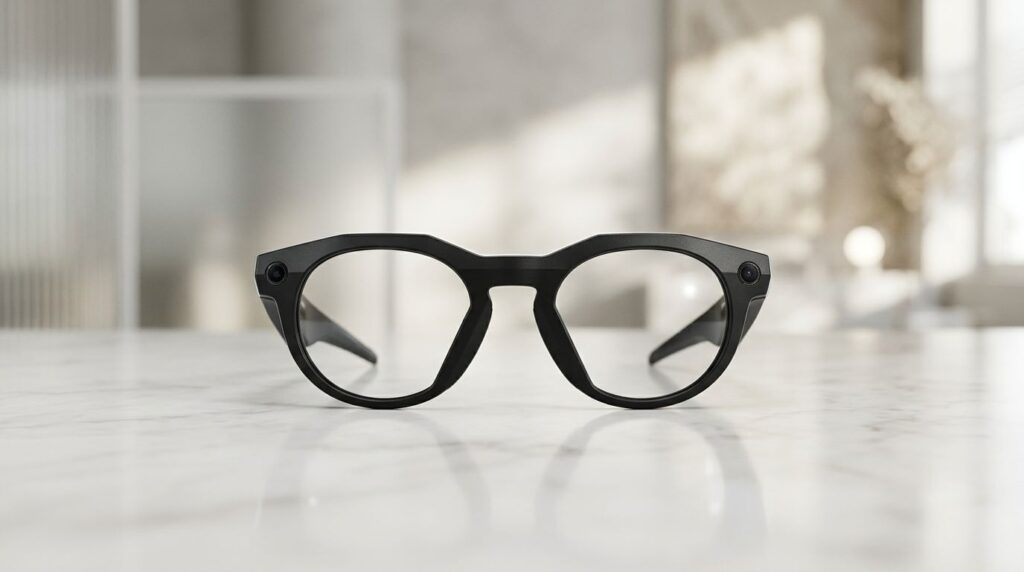
Oakley Meta Black | Smart AI Glasses
Oakley Meta AI empowers athletes with hands-free access to answers, live translation and more. Get the latest wind conditions while on the golf course or surf reports before you hit the waves.
Smart Clothing Is Turning Fashion Into Functional Technology
Smart clothing is finally moving beyond experimental fashion and into practical everyday use. In 2026, wearable fashion technology is becoming more refined, functional, and consumer-friendly across the U.S. market. American consumers are increasingly interested in apparel that can:
- monitor posture
- improve athletic performance
- track biometric activity
- regulate body temperature
- support recovery and wellness
Unlike traditional wearable devices, smart clothing integrates technology directly into fabrics, creating a more seamless lifestyle experience.
Products like the Levi’s x Google Jacquard smart jacket helped introduce consumers to connected apparel by allowing users to control navigation, music, and calls through gesture-sensitive fabric technology. At the same time, brands like Hexoskin and Ambiotex have pushed wearable health technology further with biometric smart shirts capable of monitoring breathing patterns, heart rate, and movement performance.
This trend is especially strong among wellness-focused consumers and performance-driven buyers who want wearable technology that feels less intrusive and more naturally integrated into daily life.
Interest is rapidly growing around:
- smart clothing trends
- AI-powered fitness apparel
- wearable fashion technology
- performance smart textiles
As wearable technology evolves in the U.S., smart clothing is becoming one of the strongest intersections between fashion, healthcare, and functional lifestyle design.
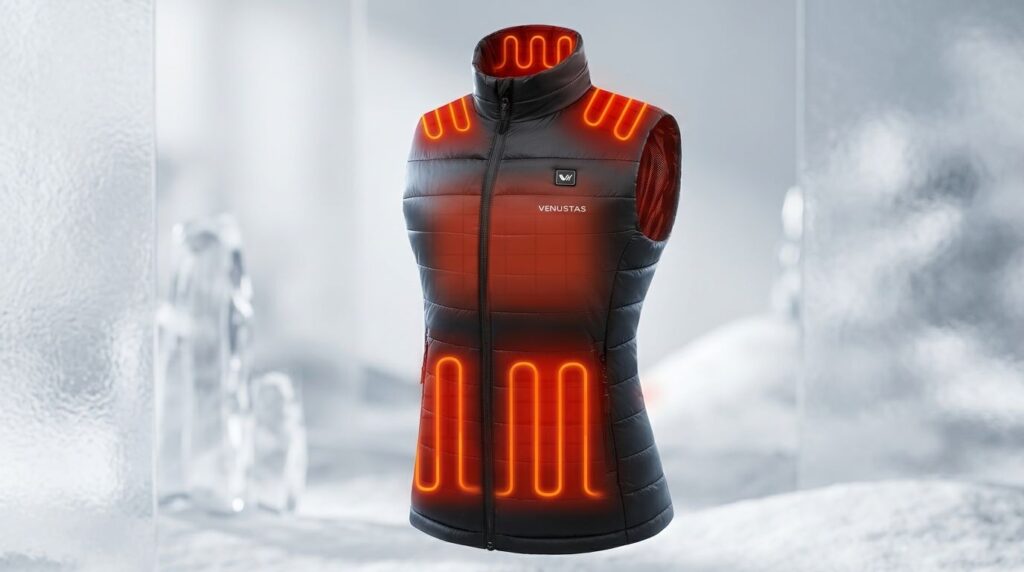
Venustas Women’s Heated Vest
Stay Warm Up to 140℉: The Venustas women’s heated quilted vest features an upgraded battery pack that delivers consistent warmth up to 140℉ on high, perfect for harsh cold.
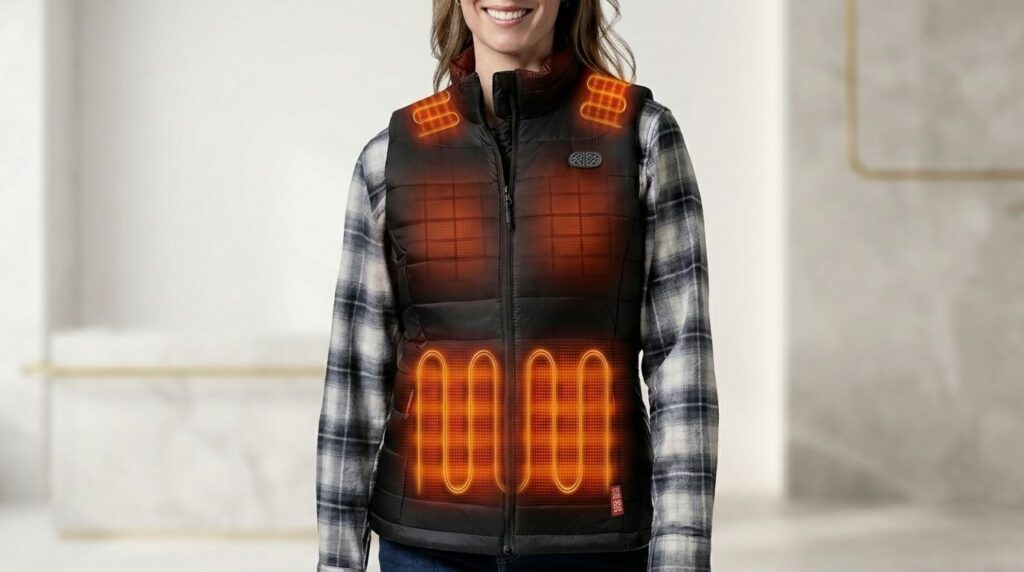
ORORO Women’s Heated Vest
7-Zone Heating for Comprehensive Warmth: Experience unparalleled comfort with seven strategically placed heating zones, including the upper body (left & right shoulders, neck, left & right mid-back) and left & right hand pockets.
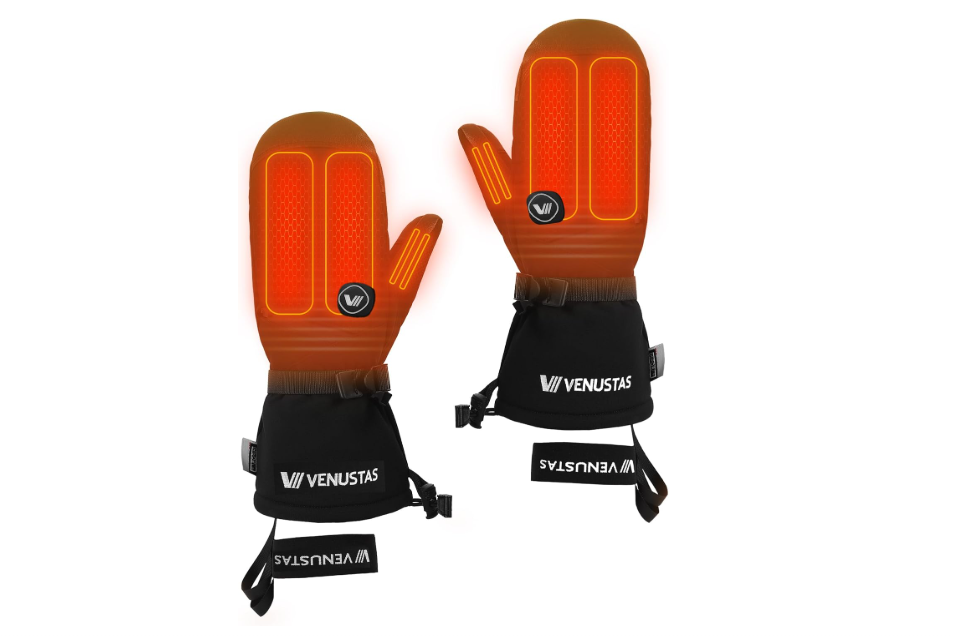
Venustas Heated Mittens for Men & Women | Ski Gloves
The upgraded smart temperature-control system automatically adjusts heat based on ambient temperature, ensuring steady, energy-efficient warmth without constant manual switching — ideal for skiing, commuting, or outdoor work.
Preventive Healthcare Is Driving the Next Wave of Wearables
Healthcare may become the single biggest driver of wearable technology adoption in the U.S. Americans are becoming increasingly proactive about monitoring their health before serious issues emerge. This is creating strong demand for wearable devices that provide ongoing biometric insights in real time.
The appeal of preventive wearable healthcare is easy to understand:
- continuous monitoring
- personalized health insights
- remote accessibility
- reduced healthcare friction
- long-term wellness tracking
Modern wearable health technology can already assist users with:
- sleep analysis
- heart monitoring
- stress tracking
- recovery metrics
- activity optimization
Future developments are expected to push even deeper into areas like glucose monitoring, blood pressure tracking, and predictive health analytics. This shift is especially important in the U.S., where healthcare costs remain a major concern for consumers. Wearables are increasingly viewed as tools for long-term health awareness rather than luxury gadgets alone.
That is why searches around:
- wearable healthcare devices
- health tracking wearables
- best fitness trackers for health
- how wearable tech is changing healthcare
continue to rise rapidly.
Americans Want Wearables That Feel Invisible
One of the strongest consumer behavior trends in the U.S. wearable market is the demand for invisible technology. Consumers no longer want bulky gadgets dominating their appearance or interrupting daily life. The most successful wearable devices are becoming:
- lighter
- more minimal
- more fashionable
- less distracting
- more personalized
This explains why categories like smart rings and discreet AI wearables are growing so quickly.
Modern American consumers increasingly prioritize:
- comfort
- elegance
- battery life
- subtle design
- ecosystem integration
The future of wearable technology is not about adding more screens. It is about embedding intelligence naturally into lifestyle products. This design philosophy is reshaping the entire wearable industry.
Privacy Concerns and Subscription Fatigue Are Becoming Major Issues
Despite the excitement surrounding wearable technology trends in the U.S., consumers are also becoming more cautious.
Many users are questioning:
- how much health data companies collect
- where that data is stored
- who can access it
- how AI systems interpret personal metrics
At the same time, subscription fatigue is becoming a growing frustration. Several wearable brands now lock advanced insights behind recurring monthly memberships, which is creating resistance among mainstream consumers.
This is leading to more conversations around:
- wearable tech privacy concerns
- subscription-based wearables
- who owns wearable health data
- AI wearable ethics
Brands that prioritize transparency and trust will likely dominate the next phase of the market.
The Future of Wearable Technology in America
The future of wearable technology in the U.S. will likely revolve around ecosystems rather than standalone devices.
Consumers increasingly want their:
- smartwatch
- smart ring
- AI assistant
- fitness tracker
- health apps
- smart home systems
to work together seamlessly. The next generation of wearable devices will focus less on hardware novelty and more on intelligent integration. Artificial intelligence will play a major role in this evolution by helping wearable devices become:
- predictive
- context-aware
- personalized
- proactive
Eventually, wearable technology may shift from reactive tracking to continuous lifestyle guidance. The wearable industry is moving toward a future where devices quietly support:
- wellness
- healthcare
- productivity
- communication
- daily decision-making
without demanding constant attention from the user.
The Wearable Market Is No Longer Experimental
Wearable technology in the U.S. has officially entered a new phase. Consumers are no longer asking whether wearables are useful. They are asking which devices genuinely improve everyday life. That distinction matters.
The winning products in 2026 are not simply the most advanced. They are the ones that combine:
- intelligent functionality
- premium design
- practical value
- wellness integration
- long-term usability
As healthcare, fashion, AI, and consumer technology continue merging together, wearable devices are becoming one of the most influential product categories in modern American life. And this transformation is only beginning.